 September is recognized as National Suicide Prevention Month. September 10th is World Suicide Prevention Day. Why are we discussing suicide prevention? Every 40 seconds someone dies by suicide and one in four adults know or care about someone who attempted or died by gun suicide. I don’t know if there are any accurate overdose statistics because it can be difficult to determine whether the overdose was intentional or not. In 2021, the United States experienced a significant increase in overdose deaths, with over 100,000 reported fatalities. This marked a nearly 15% rise compared to the previous year, largely driven by synthetic opioids like fentanyl. These are some pretty scary statistics. This is why we are discussing suicide prevention. You don’t know, until you know.
On a few positive notes, the stigma around mental illness or mental health issues are decreasing due to increased awareness and education about mental health issues. High-profile campaigns and celebrity disclosures have encouraged open conversations, making it more acceptable for people to share their experiences.

New suicide prevention crisis text lines and hotlines have been implemented that provide immediate support to individuals in distress. Teletherapy platforms have expanded access to licensed therapists, allowing people to seek help from the comfort of their homes. Additionally, wearable technology that monitors physiological signs can alert users and their loved ones to significant mood changes or crises, facilitating timely intervention.
The COVID-19 pandemic highlighted the importance of mental health, prompting society to prioritize well-being and recognize that mental health is just as important as physical health. During the pandemic mental health issues surged due to a combination of factors, including increased isolation, anxiety about health and safety, and economic uncertainty. The sudden shift to remote work and social distancing disrupted daily routines, social activities and support systems, leading to feelings of loneliness and helplessness. Additionally, the trauma associated with illness and loss, along with the pervasive fear of the virus, intensified stress for many individuals. Recreational drinking and substance use transitioned to daily use and dependency to deal with the stress of it all.
Access to mental health services became more challenging during lockdowns, exacerbating existing issues and creating new ones, resulting in a significant rise in anxiety, depression, and other mental health disorders.
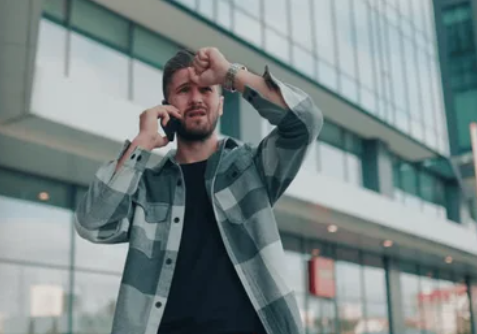 I remember being Vancouver in the summer of 2020 (work-related) and seeing a well-dressed man agitated pacing back in forth talking on cell phone arguing with the devil (he was speaking loudly). He was clearly unwell, and I hoped he had someone in his life to help him re-engage with his mental health support services. How many more were out there like him, possibly off their medications or having issues with their medications and no one to guide them back to stable health?
Our family faced a mental health crisis during the pandemic with our adult son, and the lockdowns and COVID restrictions made accessing services nearly impossible. There were months when we feared for his life every single day, living with that terror constantly. I remember removing all the neckties from his closet and saying a little prayer every time I opened his bedroom door in the morning. With the world shut down, we had to manage this crisis on our own within our four walls. Four years later, we are in a much better place because we never gave up on our advocacy and continued reaching out for help.
Due to the significant rise in anxiety, depression and other mental health disorders our health system is overwhelmed, and psychiatric services are lacking due to the ratio of mental health specialists to people seeking services. Waiting lists are long. However, don’t give up. Find someone who can support you in accessing mental health services or has knowledge of crisis intervention services. This was a steep and stressful learning curve for me and now I have become one of those support people to others.
Until you have walked this path, I kindly ask that you don’t judge. This only prevents others from coming forward in asking for help. Suicide prevention can start with you by simply saying, “I am here for you.”

